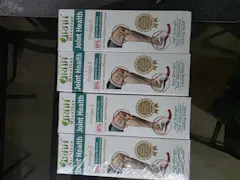
Relief. Repair. Support.
URAH MD: A Transdermal Solution delivering up to 10× more active ingredients directly to Knees, Hips, Jaws and more - for rapid recovery or results. Non-Invasive. Recommended in Hospitals and Clinics.
URAH cream is the best solution for my joints... I'm never taking pills again.
— Hanifa, 7-year user
![[3-Month Supply] URAH Joint Health Omega-3 Micellar Cream My Store](http://umicellar.com/cdn/shop/files/jh_joint_health_product_listing_image_optimised.webp?v=1780194679&width=600)
![[3-Month Supply] Joint Health Omega-3 Micellar Cream My Store](http://umicellar.com/cdn/shop/files/0.5g_daily_product_listing.webp?v=1779092210&width=600)
Joint Health + Omega-3
Clinically proven micellar glucosamine + Omega-3 formula for maximum joint support


Generic Solutions at a Glance
Glucosamine Pills
- Stomach acid neutralises most of the dose
- No targeting — remainder distributed everywhere
- Gastrointestinal side effects common
- Takes months of dosing for marginal benefit
Repeated Injections
- Painful procedure, often under local anaesthesia
- Expensive sessions, rarely covered by insurance
- Relief wears off after few weeks
- Does not regenerate lost cartilage
NSAIDs & Pain Creams
- Pain returns the moment you stop taking them
- 3× increased risk of GI bleeding with chronic use
- Linked to cardiovascular events in high doses
- Topical creams never penetrate to joint tissue
NSAIDs & Pain Creams
- Pain returns the moment you stop taking them
- No targeting — remainder distributed everywhere
- 3× increased risk of GI bleeding with chronic use
- Topical creams never penetrate to joint tissue
Clinically proven.
Independently verified.
15+ years of results.
URAH MD: The only transdermal solution with peer-reviewed clinical proof, recommended by hospitals and clinics, and with technology that was patented across three continents.


Increase in cartilage thickness within 12 weeks.
Peer-Reviewed Study: URAH Micellar Shown to Increase Cartilage Thickness by over 50% within 12 Weeks in Osteoarthritis Patients
10× more glucosamine reaches your joints
URAH's patented Micellar technology bypasses the digestive system entirely — delivering active ingredients directly through the skin to the target area that needs it. 
The numbers speak for themselves.
Clinical research across arthritis patients in 16 clinics. Results published and peer-reviewed.
Good opinion for shoulder, neck, and back pain in arthritis patients
Participants found URAH reduced their pain within 4 weeks
Side effects experienced by patients across all studies
Why URAH outperforms every alternative.
| Feature | URAH Micellar | Typical Pills | Injections |
|---|---|---|---|
| Increases cartilage thickness | ✓ | ✕ | ✕ |
| Recommended in hospitals & clinics | ✓ | Some | Varies |
| 15+ year safety track record | ✓ | Varies | Varies |
| Peer-reviewed clinical proof | ✓ | Varies | Varies |
| 10× better delivery technology | ✓ | ✕ | ✕ |
| Targets the specific joint | ✓ | ✕ | ✓ |
| No injections, no prescription | ✓ | ✓ | ✕ |
| Zero gastrointestinal risk | ✓ | ✕ | ✓ |
From Our Community
![[3-Month Supply] Bone health Bio-Calcium Micellar Cream My Store](http://umicellar.com/cdn/shop/files/BH-biocalcium-new.webp?crop=center&height=600&v=1779092224&width=600)
URAH Micellar Vs Others

URAH Micellar Vs Others
| Feature | URAH Micellar | Typical Pills | Typical Injections |
|---|---|---|---|
|
Proven to increase joint cartilage thickness to avoid bone-bone grinding for long-lasting relief, flexibility and mobility
|
|||
|
Recommended in Hospitals and Clinics
|
Some are strongly recommended against by the American College of Rheumatology | ||
|
Track record of safety and effectiveness
|
25 Yrs | Results vary | |
|
Clinically proven
|
Results vary | Results vary | |
|
Breakthrough Delivery Technology (10x more absorption)
|
|||
|
Rapid Localized Relief
|
Results vary |
Pick your solution.
![[3-Month Supply] Joint Health Omega-3 Micellar Cream My Store](http://umicellar.com/cdn/shop/files/joint_health_image_testing_979cc9ce-7c43-4b90-bb24-1f9cbbb5947b.png?v=1779509080&width=800)

Joint Health + Omega-3
Micellar glucosamine + Omega-3. Applied directly. No stomach issues. The flagship. The one most people start with.
![[3-Month Supply] Bone health Bio-Calcium Micellar Cream My Store](http://umicellar.com/cdn/shop/files/BH-biocalcium-new.webp?v=1779092224&width=800)

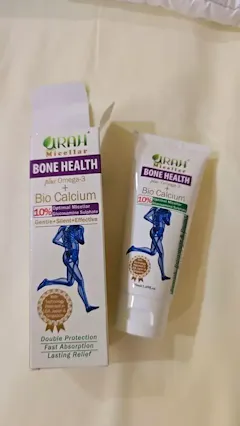
Bone Health + Bio-Calcium
Micellar glucosamine + Bio-Calcium + Omega-3 for bone density and cartilage support. No pills. No kidney risk. Applied where it matters.
![[3-Month Supply] URAH Sporting Cream My Store](http://umicellar.com/cdn/shop/files/4_883b93b1-fb6a-4214-830f-9703756e5979.jpg?v=1779092217&width=800)

Sporting Cream + MSM
Micellar Glucosamine + MSM. Applied directly to where you push hardest. For athletes who can't afford downtime.
Simple daily ritual. Long-lasting results.
Apply 0.5g per area
Squeeze a small amount — about 1 Fingertip — onto the target area.
Massage gently
Rub in circular motions until fully absorbed. No greasy residue, no scent. delivered in less than 1 min.
Once daily
Morning or evening. One 50g tube delivers ~100 applications — weeks of consistent use.
Feel results Fast
Feel the result, no more guesswork on whether it helps. For cartilage rebuilding meaningful results are typically observed within 5-12 weeks depending on severity.
The numbers speak for themselves.
Let customers speak for us
![[3-Month Supply] URAH Joint Health Omega-3 Micellar Cream](https://judgeme.imgix.net/umicellar/1772197989__1772197985121-screenshot2026-02-27at1012__original.png?auto=format&w=1024)
I have been suffering from knee pain since 20 years ago. Active racket and ball games where I have to run and jump are out of the question for me due to pain. But with constant use of Urah Glucosamine cream on my knees, it does keep pain away to enable me to take long walks in shopping malls or parks or Universal Studios, zoos and other attractions where quite a lot of walking is expected. I use Urah Glucosamine cream once a day and it is enough to enable me to walk without pain as well as to participate in non-impact activities like cycling which I often do with my wife in PCNs all over Singapore. This is a picture of my wife and I cycling at the iconic Marina Bay Sands.
![[3-Month Supply] URAH Joint Health Omega-3 Micellar Cream](https://judgeme.imgix.net/umicellar/1771593887__1771593874768-img_0009__original.jpg?auto=format&w=1024)
I am a retired physician. I’m also basically a retired athlete who did participate in many extreme style sports, including mountaineering, ultramarathon, running, mountain biking, rock, climbing, ice, climbing, and extreme skiing. I finally developed some pretty severe injuries, including one that never got better and developed into something called complex regional pain syndrome (CRPS). This pain cream has actually helped me significantly, and while I will never run marathons again I am much more active than prior to using this remarkable product. Give it a try.
![[3-Month Supply] Bone health Bio-Calcium Micellar Cream](https://judgeme.imgix.net/umicellar/1770975370__1770975348669-jawfracture__original.jpg?auto=format&w=1024)
Background: My mother fractured her jaw due to chronic stress. Her doctor estimated 2+ years for full recovery and started her on injection therapy to accelerate bone healing, but she was experiencing significant ongoing pain. She had previously used URAH Joint Health for knee arthritis with excellent results, so we decided to add the Bone Health Bio-Calcium to her treatment regimen, applying it to the jaw area alongside her prescribed injections. After approximately 8 months, during her follow-up appointment, her doctor noted that her healing progress had improved tremendously and specifically recommended she continue her current routine. She's now out of the product and has been asking me repeatedly to purchase more because she noticed a difference when she stopped using it. For anyone dealing with bone fractures or slow healing, this is worth trying alongside medical treatment.
Side note: her application was not perfectly consistent - she would sometimes forget to apply it daily - yet she still achieved remarkable results.
The X-ray was taken at a dental surgery clinic in Euijeongbu, South Korea.
Update:
Thank you, Umicellar, for sending more URAH Bone Health creams! My mother is really excited to keep using this and to provide more updates on her follow-up X-rays, which are planned at the 12-month mark.
![[3-Month Supply] URAH Joint Health Omega-3 Micellar Cream](https://judgeme.imgix.net/umicellar/1768476316__1768476300249-sg-11134103-7rfg6-m97kpjto__original.jpg?auto=format&w=1024)
Delivery was fast - 2 days after I ordered. I have been using this cream for more than 10 years as my body does not respond well to Glucosamine pills. Using this urah micellar Glucosoamine cream enables me to walk without knee pain. It works for me.
![[3-Month Supply] URAH Joint Health Omega-3 Micellar Cream](https://judgeme.imgix.net/umicellar/1764494482__1764494475479-75__original.jpg?auto=format&w=1024)
Trigger warning: chronic pain mention
I'm 45 and have severe osteoarthritis in both hips and my lower back. The pain has been absolutely debilitating for the last 3 years. There were days I couldn't get out of bed. Days I couldn't work.
I tried EVERYTHING. Every medication, every cream, acupuncture, physiotherapy (spent over $10k in 2 years), chiropractors, massage therapy, meditation, dietary changes, you name it. Some things helped temporarily but nothing gave lasting relief.
I found URAH almost by accident through a random Reddit post. At that point I had no hope left but figured what's one more thing to try. Started with the Bone Health cream.
After 3 weeks of twice-daily application, I'm not exaggerating when I say this has changed my life. I can work full days again. I can sleep through the night. I can play with my kids again. I genuinely have my life back.
For anyone suffering with chronic joint pain and losing hope - please try this. Give it at least a few weeks of consistent use.
![[3-Month Supply] URAH Joint Health Omega-3 Micellar Cream](https://judgeme.imgix.net/umicellar/1762055699__1762055689746-39__original.jpg?auto=format&w=1024)
gonna be honest mate, thought this was gonna be another snake oil situation. im a tradie and my lower back has been absolutely cooked for years. spent literally thousands on physio, chiro, those tens machines, heat packs, the works. temporary relief at best.
mate at work told me about urah and i laughed at him. cream? really? but he kept going on about it so i caved and bought some.
holy shit.
been using it for 6 weeks now and i can actually bend over to tie my shoes without wanting to cry. still not 100% but im like 80% better which is insane considering where i was.
just ordered my third tube. if youre on the fence just try it. worst case youre out a fair amount of money. best case you get your life back.
![[9-Month Supply] URAH Bone health Bio-Calcium](https://judgeme.imgix.net/umicellar/1762048794__1762048790880-2024-08-25-wanthart__original.jpg?auto=format&w=1024)
Value for money. I’ve tried many supplements Urah gives me the most noticeable effect in pain relief and strength over time.Really recommend it.
![[9-Month Supply] Sporting Cream Micellar Cream](https://judgeme.imgix.net/umicellar/1761399041__1761399037136-2023-11-07-ya__original.jpg?auto=format&w=1024)
I am 54 years old, I do kendo for 30 years. My shoulders and elbows have very much pain from training. Japanese doctor give me many medicines but they hurt my stomach very badly.
My friend recommend URAH. She say her mother use for knee and is very good. I try it.
Very surprise! After 3 weeks, pain is much less. I can do kendo practice without so much pain. My movement is more smooth.
I use it before training and after training every day. Now 2 months, I feel like I am younger person. My sensei ask me "what you do? You move better now."
This cream is excellent. I tell many people in my dojo about it. Some of them also buy and they are happy too.
Quality is very high. I trust this product. Thank you very much.
![[3-Month Supply] URAH Sporting Cream](https://judgeme.imgix.net/umicellar/1761310535__1761310531420-2025-05-03-alfredtan807-1__original.jpg?auto=format&w=1024)
injured my shoulder doing crossfit (i know i know 🙄). tore my rotator cuff partially. doc said surgery or deal with it.
did physio for 6 months. it helped but was so expensive and time consuming. my physio actually told me to try URAH alongside the exercises. she said a few of her clients had good results.
combined with the physio exercises this stuff really accelerated my recovery. like noticeably. i could lift my arm higher, less pain when reaching overhead, sleeping got better.
been 4 months since i finished physio and im still using URAH preventatively. back to light workouts. shoulder feels maybe 90% normal?
shoutout to my physio for the recommendation. this wouldve taken way longer without it.
![[9-Month Supply] Joint Health Omega-3 Micellar Cream](https://cdn.shopify.com/s/files/1/0603/8785/2401/files/triplepack-JH_640x640.jpg?v=1779092292)
I have had rheumatoid arthritis for 7 years. The pain in my fingers and wrists was becoming unbearable. I was taking so many medications - methotrexate, NSAIDs, pain relievers. The side effects were terrible. My stomach, my liver markers going up, constantly feeling nauseous.
My sister bought me URAH cream as a gift I didn't expect much but decided to try since I was desperate.
After one month, my morning stiffness reduced significantly. After two months, I could hold prayer beads again without pain. My rheumatologist was very surprised during my checkup. My inflammation markers improved and he asked me what I changed. When I told him about URAH, he actually wrote it down!
I still take my medications but at lower doses now. The combination is working wonderfully. I feel like I have my life back,.
![[9-Month Supply] Joint Health Omega-3 Micellar Cream](https://judgeme.imgix.net/umicellar/1761034929__1761034917834-34__original.jpg?auto=format&w=1024)
58yo, rheumatoid arthritis in hands, wrists, and feet. Been dealing with this for 11 years. The constant pain was making me genuinely depressed.
I've spent probably $15,000 over the years on treatments - biologics, DMARDs, NSAIDs, steroid injections, PT, OT, you name it. Some helped manage symptoms but the side effects were brutal. Constant infections from immunosuppressants, hair loss, nausea, fatigue.
Found URAH through a support group on Facebook. Woman posted about her mother's experience. I was desperate enough to try anything.
Y'all. This has been life-changing. I apply it to my hands and feet morning and night. Within 6 weeks the baseline pain level dropped significantly. I can type again without wanting to scream. I can walk my dogs. I can BUTTON MY OWN SHIRT.
I'm still on my biologics (under doctor's supervision) but we've reduced the dosage. My rheumatologist is monitoring closely but is pleased with the improvement in my inflammatory markers.
It's been 7 months now. I just reordered my 9th tube. At this point I consider it as essential as my prescription medications.
If you're suffering with RA or OA, please give this a try. It won't cure you but it might give you your life back. It did for me.
![[3-Month Supply] Bone health Bio-Calcium Micellar Cream](https://judgeme.imgix.net/umicellar/1760526163__1760526157704-8-2__original.jpg?auto=format&w=1024)
Fast delivery well packed and I saw that this is a made im singapore product also many hospitals in singapore recommends this hence trying it.
![[3-Month Supply] Bone health Bio-Calcium Micellar Cream](https://judgeme.imgix.net/umicellar/1760525110__1760525104553-12__original.jpg?auto=format&w=1024)
I am a retired carpenter and my hands are my pride, but the pain was becoming too much.
I tried many things from the pharmacy - Voltaren, Ibuprofen gel, warm baths, exercises. Nothing helped for long. My doctor said this is normal for someone who worked with their hands for 45 years.
My daughter found URAH online and ordered it for me from England. I was doubtful, but she insisted I try.
After 6 weeks of daily application, I can move my fingers much better. The swelling has reduced significantly. I can hold my woodworking tools again for small projects! This brings me so much joy.
The cream absorbs quickly and doesn't smell bad like other products. I use it three times per day without fail.
I am very grateful for this product. It gave me back a piece of my old life. Thank you!
![[3-Month Supply] URAH Joint Health Omega-3 Micellar Cream](https://judgeme.imgix.net/umicellar/1760524492__1760524485821-28__original.jpg?auto=format&w=1024)
I’m blown away! Felt the results within 3 days of use. This is highly recommended for anyone with knee Pain.
![[3-Month Supply] URAH Joint Health Omega-3 Micellar Cream](https://judgeme.imgix.net/umicellar/1760523617__1760523612605-29__original.jpg?auto=format&w=1024)
28, played college basketball, knees are trashed. doc said surgery was inevitable, just a matter of when. im too young for this man.
tried literally everything. ice baths, compression sleeves, cbd creams, turmeric supplements, acupuncture, cupping. some helped temporarily but pain always came back.
found urah on some random reddit thread actually lol. lady was talking about how it helped his her. figured why not.
took about 3 weeks to really notice but damn. the constant aching just... stopped? like i wake up and my knees dont feel like theyre 80yo anymore.
been using for 5 months now. went back to shooting hoops (light stuff, im not stupid) and im doing ok. surgery is off the table for now.
URAH success stories
Hear reviews from real customers on how URAH plays a key role in their daily health journeys.
URAH Stories
Winning Gold at 58—Thanks to URAH
I usually don’t promote specific brands, but this one changed my life—and could help you too, especially if you're over 45.
I’m 58 years old and a competitive powerlifter. In 2022, I won Gold at the Asian Powerlifting Championships in Dubai by squatting 210kg. I’ve held four national records in Singapore and was once world-ranked No. 4.
None of this would’ve been possible without URAH cream.
Training three times a week puts massive strain on my knees and elbows. The pain between sessions used to be unbearable—until I found URAH. Now, I use about one tube every two weeks. It relieves pain and helps me recover faster.
I even recommended it to my late father. It helped delay his knee replacement by five years.
People call it the “pain of the elderly.” But I’m proof that age doesn’t have to slow you down—if you have the right support.
URAH cream absorbs quickly, has no smell or greasy residue, and contains advanced micellar glucosamine that actually gets into your bloodstream to help rebuild damaged tissue.
I don’t know exactly how it works—just that it does. It works for me. It worked for my dad. It might work for you too.
💪 Keep training. Keep moving. URAH makes it possible.

Active Living at 85 Is No Longer a Dream – It’s My Reality
I can play soccer and squash at 85 yrs - Thanks to Urah Micellar products.
Urah Micellar Technology is amazing. It is a gift for gracious Living & Aging

I Applied URAH on My Face — The Results Were Shocking
I was recommended URAH Micellar MSM by a friend who shared his experience with it. He told me that URAH not only helped with muscle maintenance but also minimized his scars after long-term use. I got really curious and researched more about Micellar Glucosamine and how it can be effective not only for pain relief and joint health but also for skin.
Glucosamine and MSM can impact skin by boosting collagen, hyaluronic acid and rejuvenating skin cells which can help with maintaining joints as well as helping with keeping our skin youthful.
I got so excited to try it myself with URAH and applied it every time after workouts and before going to sleep. I also applied it on my face!.
After using it for several months, I was so impressed with this cream. Not only did it help me with my daily workout routines and muscle and joint health, but it also improved my skin texture. My skin feels great and looks youthful now! I love that it's in cream form, allowing me to apply it to specific areas of my body easily. This could never happen with normal pill-type supplements! I can't live without this cream anymore, and now I'm recommending it to all the girls in my yoga classes.
update: I am aware of glucosamine's amazing wound-healing abilities, and micellar glucosamine is recommended for post-facial recovery, especially after facials that induce damage and require healing. Using it during the recovery phase can maximize the results from these treatments.
I was so excited that I conducted my own experiment (you can also see my skin-tone experimentation in the story section!). I underwent the same type of facial laser treatment and skin boosters, both with and without URAH cream. I was quite amazed by the results; with URAH cream, I could visibly see a big difference. It felt like more collagen and hyaluronic acid were generated during recovery, contributing to a much better result.

“10.7% Bone Density Increase in 7 Months – URAH Outperformed NASA’s Treatment”
Osteoporosis Testimony of Maejima from Tezuka Surgery Clinic (Japan)
I have been testing the bone mineral density of Mr Maejima in Tezuka Surgery Clinic (Japan) in the past 7 months.
His bone mineral density has increased from 2.71mmAI to 3.00mmAI which is 10.7% increment.
Astronauts of NASA and JAXA had been using "Bisphosphonate" before and after their adventure into the space to prevent their bone mineral density from decreasing. However, after using "Bisphosphonate" for a year, their bone mineral density usually only increase by 1% to 5%. On top of that, "Bisphosphonate has its own critical side effects like "Atypical femur fracture paradoxical" and "Bisphosphonate-related osteoporosis at the jaw".
The 10.7% increase from Urah cream is incredible, astonishing and remarkable that I could not sleep well last night just by thinking of the potential of your product.
It is my hope that NASA and people suffering from osteoporosis around the world will benefit from Urah's cream for their treatment against osteoporosis soon.

No Surgery, No Pain: The Cream That Rebuilt My Life
It's not often that you KNOW something works. Until you limp on pained ankle, crimped fingers, creaking knees, or sprained back, will you beg for relief.
Beyond temporal pain is a resignation that it will come back, again, again… sigh...
Carrying bridges (literally) in the army compressed my back, which affects my seating, driving, and sleep. No op is likely to fix it. And I was invited to test this transdermal micellar cream that had no "hotness" (methyl salicylate) nor fragrance, invented in Singapore. I jumped at it.
7 years forward, a waxy cream that does not stain white clothes, absorbs in a few minutes and relieves pain PLUS builds back soft tissue. (OK, I’m told never to attempt to describe any of this in medical terms lest I trip on my tongue, so I’ll cease terminology here).
Imagine a senior who had pain and great difficulty opening her hands (arthritis) – moved them in 30 min.
60-year-old chef told to get an operation for both knees – walked 10 km painlessly a week later with no ops.
There are many stories but one product – URAH.
Live long, keep moving.

A Multi-Award Winning Solution

Medal of Honour

2016 Pain Relief Innovation Award

Guardian Health & Beauty

Unity Popular Choice Award
FAQs
Understanding the Absorption Problem
Glucosamine pills frequently fail to deliver meaningful joint pain relief due to fundamental limitations in how your body absorbs these nutrients through the digestive system.
The Glucosamine Challenge: Low Bioavailability
Poor Absorption Rates
When you take glucosamine orally, most of the active ingredient never reaches your joints. Here's why:
- Digestive breakdown: Glucosamine is extensively metabolized by stomach acid and liver enzymes before entering your bloodstream
- Limited bioavailability: Only a small percentage of the ingested dose is absorbed in a form your joints can use
- Distribution challenges: Even the glucosamine that enters your bloodstream is distributed throughout your entire body, with minimal amounts reaching targeted joint tissues
What the Research Shows
Multiple systematic reviews and meta-analyses published in medical journals, including the Annals of Internal Medicine and BMJ, have found that oral glucosamine provides little to no clinically significant benefit for osteoarthritis symptoms compared to placebo.
Gastrointestinal Side Effects
Glucosamine compounds are naturally acidic. Standard therapeutic doses (typically 1,500–2,000 mg daily) can cause:
- Nausea and stomach discomfort
- Constipation or diarrhea
- Heartburn and gastric irritation
- In some cases, gastric ulcers
These symptoms are often mistakenly attributed to "glucosamine allergy" when they're actually caused by the compound's acidic nature and high oral dosage requirements.
The bottom line: Oral glucosamine faces a triple challenge—poor absorption, systemic distribution that bypasses joints, and gastrointestinal tolerability issues.
References
- BMJ. 2013; Office of Dietary Supplements, NIH (Long-term calcium intake and mortality)
- Various systematic reviews on oral glucosamine efficacy published in Annals of Internal Medicine, BMJ, and Cochrane Database
While some foods contain glucosamine (shellfish shells, animal cartilage, bone broth), obtaining therapeutic amounts from diet alone is insufficient. Here's why:
Limited sources—few foods contain meaningful amounts of glucosamine.
95% loss through biological processes—when glucosamine is consumed orally, up to 95% is destroyed through digestion, liver metabolism, and other biological processes before reaching joints. This means dietary or oral glucosamine rarely delivers enough to create major improvements.
Safe, superior delivery—URAH's micellar technology bypasses these losses entirely, delivering glucosamine through your skin 10x more effectively than oral supplements, without gastrointestinal side effects.
The effectiveness comparison is complex and depends heavily on delivery method. Research shows mixed results when comparing oral forms, but delivery method makes the critical difference.
Peer-Reviewed Clinical Evidence on Oral Collagen vs. Oral Glucosamine: A randomized, double-blind clinical trial found that UC-II collagen treatment decreased VAS pain scores by 40% after 90 days compared to 15.4% in the glucosamine plus chondroitin group (1, 2). A subsequent multicenter study with 191 participants confirmed these findings, showing UC-II significantly reduced overall WOMAC scores compared to both placebo and glucosamine-chondroitin combinations over 180 days (3).
The Bioavailability Challenge: Both oral collagen and oral glucosamine face significant absorption limitations. Peer-reviewed research demonstrated that oral collagen has an absolute bioavailability of approximately 49.6% and relative bioavailability of 57.8% (4, 5), meaning nearly half is lost before reaching target tissues. Studies show that collagen-derived Hyp-peptides increase to maximum blood levels at 1 hour after ingestion and revert to initial levels within 24 hours (6), indicating rapid metabolism limits sustained effectiveness. Meanwhile, oral glucosamine suffers from up to 95% loss through digestive processes, liver metabolism, and biological barriers before reaching joints.
Safety of Delivery Technology: Oral glucosamine can cause gastrointestinal side effects like nausea, heartburn, and diarrhea, and may interact with blood-thinning medications. Oral collagen supplements face similar digestive challenges and rapid metabolism. URAH's topical micellar technology bypasses these issues entirely—Urah's gentle, clinically-tested delivery system absorbs through the skin without digestive side effects, medication interactions, or the rapid metabolism that limits oral collagen's effectiveness.
Why Topical Delivery Changes Everything: URAH Micellar Creams fundamentally solve the bioavailability problem that limits both oral collagen and oral glucosamine. URAH's clinically-tested micellar delivery technology bypasses the digestive system entirely, delivering active ingredients directly through the skin to joint tissues 10x more effectively than oral supplements.
Clinical Results Matter: While oral UC-II collagen showed advantages over oral glucosamine in clinical trials, URAH's approach delivers superior results to both. An Peer reviewed study demonstrated a 61% increase in cartilage thickness in just 12 weeks—results that are difficult or impossible to achieve with oral supplementation of either ingredient due to bioavailability and metabolism limitations.
The Bottom Line: The question isn't whether collagen or glucosamine is "better"—it's about how effectively your body can use them and how long they remain active. With oral supplements, you face significant losses through digestion, rapid metabolism (collagen peptides return to baseline within 24 hours), and unclear targeting. URAH's topical delivery ensures active ingredients reach joint tissues directly, efficiently, and remain functional longer, making the comparison with oral supplements fundamentally different. Topical application with advanced micellar technology provides a scientifically superior approach to joint health that neither oral collagen nor oral glucosamine can match.
References:
- Crowley DC, Lau FC, Sharma P, et al. Safety and efficacy of undenatured type II collagen in the treatment of osteoarthritis of the knee: a clinical trial. Int J Med Sci. 2009;6(6):312-321.
- Crowley DC, Lau FC, Sharma P, et al. Safety and efficacy of undenatured type II collagen in the treatment of osteoarthritis of the knee: a clinical trial. Int J Med Sci. 2009;6(6):312-321.
- Lugo JP, Saiyed ZM, Lau FC, et al. Undenatured type II collagen (UC-II®) for joint support: a randomized, double-blind, placebo-controlled study in healthy volunteers. J Int Soc Sports Nutr. 2013;10(1):48. / Lugo JP, Saiyed ZM, Lane NE. Efficacy and tolerability of an undenatured type II collagen supplement in modulating knee osteoarthritis symptoms: a multicenter randomized, double-blind, placebo-controlled study. Nutr J. 2016;15:14.
- Iwai K, Hasegawa T, Taguchi Y, et al. Identification of food-derived collagen peptides in human blood after oral ingestion of gelatin hydrolysates. J Agric Food Chem. 2005;53(16):6531-6536.
- Iwai K, Hasegawa T, Taguchi Y, et al. Identification of food-derived collagen peptides in human blood after oral ingestion of gelatin hydrolysates. J Agric Food Chem. 2005;53(16):6531-6536.
- Ohara H, Matsumoto H, Ito K, Iwai K, Sato K. Comparison of quantity and structures of hydroxyproline-containing peptides in human blood after oral ingestion of gelatin hydrolysates from different sources. J Agric Food Chem. 2007;55(4):1532-1535.
Not always. Because glucosamine is acidic, oral supplements can cause gastric issues like nausea, ulcers, and “glucosamine allergy” symptoms such as bloating, wheezing, or constipation—especially with long-term use.
By nature, Glucosamine is an unstable chemical substance. When exposed to air it is easily degraded and denatured. In order to be used, Glucosamine has to be compounded into a stable acidic salt. E.g. Glucosamine sulphate, Glucosamine hydrochloride, acetyl glucosamine, etc. All these stable glucosamine compounds are ACIDIC
High oral dosages (which is typically 1500 to 2000mg daily) of Glucosamine is normally prescribed to make up for the high loss in the gastric system. But, because these Glucosamine compounds are acidic, high oral dosages inadvertently causes hyper acidity or Gastrointestinal toxicity. Prolonged oral administration of Glucosamine drugs and supplements may therefore lead to Gastric irritations, ulceration and other gastrointestinal complications (commonly refered to as "glucosamine allergy")
Yes, they can be. Multiple studies have linked high-dose calcium supplements to serious health risks, including:
- Kidney stones
- Arterial calcification
- Increased risk of heart attacks and stroke
These risks occur because oral calcium is often absorbed too quickly, causing calcium spikes in the blood that the body cannot properly regulate.
URAH Bio-Calcium Cream offers a safer alternative.
After years of research, URAH has developed a proprietary Transdermal Bio-Calcium cream that delivers a slow and steady supply of optimal calcium through the skin, directly to where it’s needed. Our formula also includes 10% glucosamine and essential vitamins, providing targeted support for bones, joints, and surrounding tissues without gastric or cardiovascular side effects.
No. Calcium supports bone density, not joint cartilage or soft tissues.
Joint pain usually stems from cartilage degeneration (osteoarthritis), not bone weakness (osteoporosis). Glucosamine targets cartilage and soft tissues.
Not directly.
Osteoporosis weakens bones and may lead to fractures, while osteoarthritis causes joint pain due to cartilage wear and tear. They are different conditions that require different approaches.
What Makes URAH Unique
No, glucosamine creams vary significantly in their formulation, delivery technology, and absorption rates. The key differences include:
Delivery System: Traditional topical creams may contain glucosamine, but without advanced delivery technology, the molecules often remain on the skin's surface rather than penetrating to reach joints and cartilage. URAH Micellar Creams use proprietary URAH-MD-tech with micellar technology, which has been clinically proven to deliver active ingredients 10x more effectively than standard oral supplements.
Safety of Delivery Technology: Not all delivery methods are created equal—some use harsh chemical penetration enhancers or solvents that can irritate skin or cause adverse reactions. URAH's micellar delivery technology is designed to be gentle and safe, using naturally-derived micelles that transport active ingredients through the skin barrier without damaging it. This clinically-tested delivery system allows therapeutic compounds to reach joints and tissues safely, without the gastrointestinal side effects, drug interactions, or digestive issues commonly associated with oral glucosamine supplements.
Ingredient Quality: The form of glucosamine used (glucosamine sulfate vs. glucosamine hydrochloride), concentration levels, and purity can vary widely between products. Clinical-grade formulations ensure consistency and potency.
Clinical Testing: Most topical joint products lack rigorous clinical validation. URAH Micellar Creams have undergone clinical testing demonstrating measurable results, including a 61% increase in cartilage thickness in 12 weeks for chronic joint conditions.
Absorption Rate: The critical factor isn't just what's in the cream—it's whether your body can actually use it. Standard creams may have poor bioavailability, while advanced formulations like URAH's micellar delivery system are designed to transport active ingredients through the skin barrier directly to where they're needed.
When choosing a glucosamine cream, prioritize products with safe, clinically-validated delivery technology, transparent ingredient lists, and documented results.
URAH uses MD-Tech (Micellar Delivery Technology)
MD-Tech is a proprietary transdermal delivery system developed by Urah Research Lab in Singapore formulated using a bio-surfactant technology that was Patented in the US (No. 6846916), Japan (No. 4580234), and Singapore (No. SG 102614). that delivers high concentrations of glucosamine and bio-calcium directly into joints and muscles—without side effects or greasy residue.
Not all glucosamine creams are created equal. Many offer temporary sensations without delivering real benefits. Here's how to spot a genuinely effective formula:
1. No Hot or Cooling Sensation
Avoid creams that rely on menthol, camphor, or chili extracts for a placebo effect. These may feel good temporarily but don't treat the root cause—and some can even irritate the skin.
2. Check the Glucosamine Concentration
Many brands hide low glucosamine levels. A quality cream should contain at least 7% active glucosamine or 70mg per 1g of cream. If there’s no percentage listed, be skeptical.
3. Ensure Cream Stability
Unstable creams separate into water and oil. If you’re told to “shake before use,” that’s a red flag. Press the tube—if watery spots come out or water pools at the bottom, it’s not high quality.
4. Look for True Skin Penetration
Real transdermal delivery works without leaving residue. Rub 1g on one wrist, wait 15 mins, then rub again. If white flakes or powder appear, it’s sitting on your skin—not entering your body.
5. Check Acidity (pH)
Use pH strips or a meter. A cream with pH below 2.3 is too acidic and can irritate your skin. Safe, skin-friendly creams are properly balanced.
URAH Micellar Creams are formulated with Obalin® patented technology—ensuring stable emulsions, deep skin penetration, and clinical-grade glucosamine concentrations. Always check the science behind the cream before you trust it.
1g of URAH Micellar Cream delivers bioequivalent glucosamine to 2000mg of oral pills
—but without gastric side effects. It’s also more cost-effective in the long run.
Is URAH clinically tested?
Yes. A clinical trial across 20 Singaporean clinics showed pain relief in just 4 weeks, with no gastric side effects. Results were published in the International Journal of Pharmaceutical Science (2011).
How to Use URAH Effectively
Apply approximately 0.5g per joint or targeted area, 1–2 times daily.
A single 50g tube provides around 100 applications, offering several weeks of consistent use.
No adverse effects have been reported.
The maximum recommended dose is 800mg/day, but even higher usage has shown no known risks.
When it comes to bone health and density, results naturally take longer.
Bone regeneration is a gradual biological process that can take several months typically 9-18 months depending on the type of supplementation and the state of the bones. URAH’s Bone Health Cream is formulated with active bio-calcium and glucosamine molecules designed to stimulate new bone formation and improve calcium absorption over time.
For optimal, cumulative results, we recommend applying the cream at least 1–2 times daily on targeted areas for at least 6 months.
For best results, URAH cream should be used consistently—even after symptoms improve.
Our formulas are designed not just for fast relief but for long-term support and protection of your joints, muscles, and bones.
When it comes to bone health, early prevention is key. Bone density peaks around age 25 and begins to decline with age. That’s why we recommend starting URAH Bone Health Cream as part of your daily routine:
- Women: Begin in your 30s to slow bone loss before and during menopause, when decline accelerates.
- Men: Ideal to start maintenance in your late 30s to 40s, before age-related bone weakening sets in.
Think of URAH as your daily defense—precision care today for a stronger, more mobile tomorrow.
Store below 30°C in a cool, dry place.
Once opened, use within 3 months for best results. If the seal is unbroken, the cream remains effective until the expiry date.